People come to a vein care office for all kinds of reasons. Some are sick of throbbing legs after a work shift. Others want to stop the nightly cramps or the swelling that leaves imprints from socks. Many just want the map of spider veins off their calves before a big event. Those motivations matter, but insurance coverage hinges on something else: medical necessity. I have seen patients surprised by what insurers approve and what they deny. The difference often comes down to documentation, timing, and how your condition is framed in the medical record.
This guide explains how coverage typically works at a modern vein clinic, the tests and treatments that trigger approval, the gray zones that lead to denials, and what you can do to reduce out-of-pocket costs. Policies vary by plan and state, and benefits change year to year. Use these principles as a roadmap, then verify with your insurer and your vein specialist office before you commit.
The difference between cosmetic and medically necessary
Insurers pay for vein treatment when the condition harms health, function, or tissue, not just appearance. That sounds straightforward until you hit edge cases. A simple cluster of spider veins without symptoms is almost always considered cosmetic. Large varicose veins that cause pain, swelling, heaviness, itching, skin discoloration, bleeding, or ulceration are typically classified as medically necessary when documented correctly. The middle ground includes veins that look bad and sometimes hurt, veins that worsen with travel or heat but improve with rest, or veins that developed during pregnancy and partially receded.
Expect insurers to ask for the clinical story and objective findings. At a vein specialist clinic, that evidence comes from your history, physical exam, and a duplex ultrasound performed by a credentialed technologist. The combination of symptoms and ultrasound-proven venous reflux is what opens the door to coverage for most minimally invasive procedures.
The role of ultrasound and why it matters
A vein diagnostics clinic will order a comprehensive venous duplex scan before talking procedures. Ultrasound identifies reflux, the backward flow through valves that no longer seal. It also maps the superficial veins, perforator veins, and deep veins to rule out clots and to plan treatment. In many policies, reflux longer than a threshold, often 0.5 seconds in superficial veins and 1.0 second in deep veins, satisfies the physiologic criteria for vein clinic near me veincenter.doctor medical necessity. Some insurers specify which veins count. The great saphenous vein and small saphenous vein are common culprits, but anterior accessory saphenous and perforators may be involved.
Ultrasound also provides vein diameters, branch points, and proximity to nerves. Those numbers guide whether the vein is a candidate for endovenous ablation, adhesive closure, or foam sclerotherapy. Without a diagnostic ultrasound interpreted by a qualified provider, a vein care center has a weak case for coverage. With it, your claim has substance that aligns with insurer policies and national guidelines.
Conservative therapy: the gatekeeper many plans require
Many insurers require a trial of conservative care before a definitive procedure. This usually means daily use of gradient compression stockings, leg elevation, weight management if applicable, and over-the-counter anti-inflammatories. The duration varies. I commonly see 6 to 12 weeks, but some plans stretch to 90 days. If a patient did compression therapy with the primary care doctor last year, detailed notes or a dated purchase receipt can help satisfy this requirement.
Conservative therapy is not busywork. Some patients truly improve with stockings alone, especially if their job involves prolonged standing. Others find stockings intolerable in hot weather or while caring for young children. Insurers want to see that less invasive measures were tried and either failed or proved impractical. When your chart states that symptoms persist despite compliant use of 20 to 30 mmHg compression for 8 weeks, your odds of approval go up.
What procedures a vein treatment clinic can bill as medically necessary
In a modern vein clinic, the menu of procedures is wide. Coverage usually clusters around treatments that address refluxing trunk veins and symptomatic tributaries, particularly when supported by ultrasound findings and symptom documentation.
Endovenous thermal ablation at a vein ablation clinic, using radiofrequency or laser, is a common frontline therapy for reflux in the great or small saphenous vein. Insurers view it as effective, durable, and safer than old-fashioned surgical stripping. The codes differ by method, but payers often reimburse both radiofrequency ablation and endovenous laser ablation when criteria are met. A vein laser clinic will confirm which wavelengths or devices are recognized by your plan.
Cyanoacrylate adhesive closure, a non thermal technique often branded under specific devices, has gained coverage for saphenous incompetence with documented reflux and symptoms. Not every plan covers it, and some require prior authorization and proof of medical necessity identical to thermal ablation. Patients who cannot tolerate tumescent anesthesia sometimes benefit from this option.
Ultrasound-guided foam sclerotherapy can be covered for symptomatic tributary veins or residual varicosities after truncal ablation. Policies vary on primary foam for truncal reflux, but post ablation foam is widely accepted. Non-guided sclerotherapy for spider veins alone tends to be categorized as cosmetic unless there is bleeding, matting after trauma, or other special circumstances.
Ambulatory phlebectomy, done through tiny punctures to remove bulging varicose clusters, is commonly covered when veins are symptomatic and bigger than a threshold diameter, often 3 to 4 millimeters. Good documentation includes pre procedure photos, symptom notes linked to those clusters, and correlation with reflux on ultrasound.
Perforator vein treatment occupies a gray area. Some insurers cover incompetent perforators when they contribute to skin breakdown or ulceration, particularly near the medial ankle. Others restrict it unless prior truncal treatment failed. A well-documented treatment plan from a vein and vascular clinic can make the difference.
Surgical stripping is still covered in narrow circumstances, usually when endovenous options are not feasible due to anatomy. Most vein surgery clinics rarely need it now, but the coverage exists as a fallback.
What is usually considered cosmetic and paid out of pocket
Spider veins, telangiectasias, and tiny reticular veins without symptoms are typically treated at a spider vein clinic as a self-pay service. Cosmetic sclerotherapy and surface laser for these veins fall into that category. Insurers argue that the condition does not impair function or cause harm. Any plan willing to pay is the exception.
What if spider veins hurt? Pain is subjective, and small veins seldom produce significant venous hypertension. Some patients describe burning or itching over clusters, often from local inflammation. While a vein therapy clinic may treat those symptoms effectively with sclerotherapy, insurers usually maintain a cosmetic stance unless there is bleeding or failed conservative management linked to a documented venous disorder.
The pre authorization dance: how to give your claim its best shot
Prior authorization is the checkpoint where many cases stall. Strong submissions include a narrative that connects symptoms to objective disease, the ultrasound report, photos, and proof of conservative therapy. Sloppy submissions invite delays.
Here is a practical sequence most vein treatment offices follow:
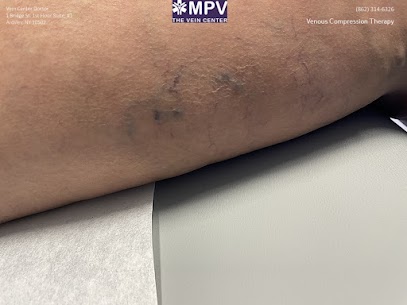
- Gather a detailed symptom history with timelines: heaviness by mid afternoon, discomfort by the end of a shift, night cramps three times a week, skin darkening, or prior episodes of superficial phlebitis. Perform a duplex ultrasound with reflux metrics, vein diameters, and a map that correlates with symptoms and visible bulges. Document a trial of compression therapy, noting duration, stocking class, and adherence. If stockings were intolerable, document the reason. Submit a procedure plan that addresses root cause first, typically truncal reflux, then tributaries, with CPT and ICD codes aligned to findings. Include photographs of visible varicosities and any skin changes, especially if there is eczema, lipodermatosclerosis, or healed ulceration.
That is one of only two lists used in this article. Each item reflects a step that helps a reviewer see medical necessity without guessing. When the paperwork reads like a story rather than a checklist, approvals come faster.
How cost sharing usually works once approved
Approval does not mean free. Your portion depends on the setting, plan type, and the number of stages in treatment. Most endovenous ablations are done in an outpatient vein procedure clinic, billed under professional and facility components if the office has an accredited lab. Expect these moving parts: deductible, coinsurance, and sometimes a copay. Many families arrive in late summer with deductibles already met, which changes the math in your favor. If you schedule in January, brace for a higher share.
Phlebectomy and ultrasound-guided foam on a separate day may carry additional coinsurance. If your vein care office stages treatments for safety and outcomes, you might have two to four encounters over several weeks. Some patients prefer bundling to get it done within a single deductible year. Your vein treatment specialists can plan with that in mind, but the clinical sequence still takes precedence.
Medicare and Medicare Advantage: similar, not identical
Traditional Medicare covers medically necessary vein care when criteria are met. The Local Coverage Determinations issued by your regional Medicare contractor outline what they consider necessary. These often mirror the framework above: persistent symptoms, reflux on duplex, and an appropriate trial of conservative therapy. Ambulatory phlebectomy and ultrasound-guided foam may be approved when linked to symptomatic disease.
Medicare Advantage plans layer on prior authorization requirements. Even when a service is covered under Medicare, the Advantage plan may require paperwork first. Some Advantage products are strict on conservative therapy duration. Benefits can be excellent once approved, but the front end takes planning.
Commercial plans: patterns I see in the field
Among employer-sponsored plans and marketplace policies, variability is the rule. Broad trends still apply. Many national insurers have detailed policies for venous reflux disease that are public. Read them or have the vein evaluation clinic quote the exact policy your plan uses. A few points show up repeatedly:
Plans often limit the number of ablations per limb per year. Aggressive staging with multiple segments may require extra justification.
Some plans require the treating facility to be in-network and accredited. A certified vein clinic with IAC or similar accreditation can smooth approvals.

Ablation in the presence of deep venous obstruction may be flagged for review. Clarifying that deep veins are patent or that obstruction is non occlusive helps.
Coverage for adhesive closure varies more than for radiofrequency or laser. Expect a pre authorization that references medical necessity and device-specific criteria.
Repeat procedures for recurrent reflux after several years can be covered, provided there is new documentation of symptoms and ultrasound findings.
Pregnancy, postpartum, and timing considerations
Vein symptoms often flare in pregnancy due to hormone changes, increased blood volume, and pressure from the uterus. Most definitive vein procedures are deferred during pregnancy and nursing, not because insurers won’t pay but because elective intervention is avoided for safety. A vein consultation clinic will focus on compression and positional relief until after delivery. Insurers generally reassess medical necessity postpartum. Many women improve within 3 to 6 months. If symptoms and reflux persist after that window, coverage becomes more likely.
Skin changes and ulcers: when vein disease becomes a wound problem
When a patient reaches a vein disease center with hyperpigmentation around the ankle, eczema-like itching, hardening of the skin, or old scars from ulcers, insurance coverage takes on urgency. Venous stasis changes are not cosmetic. When your chart includes clinical class categories indicating advanced disease and a history of ulceration, payers expect an active plan. In these cases, timely ablation of refluxing trunks combined with compression speeds healing and lowers recurrence. A coordinated approach between a venous treatment center and a wound clinic strengthens documentation and improves outcomes.
What a strong treatment plan looks like
The best plans sequence care from root cause to branches. If reflux in the great saphenous vein is driving a network of knee and calf varicosities, a vascular vein clinic will treat the saphenous first, then handle tributaries through phlebectomy or foam on the same day or in a subsequent session. If both legs have disease, some offices stage them a week apart. If a perforator near an ulcer contributes to local hypertension, a targeted intervention may follow once the trunk is addressed.
Plans that skip the trunk and chase surface clusters only with sclerotherapy tend to fail and can trigger denials for “not addressing underlying pathology.” This is where choosing a comprehensive vein clinic matters. The right strategy is as important as the tools.
Out-of-network choices and why they sometimes make sense
Patients occasionally choose a private vein clinic out-of-network for convenience or specific technology. This is a personal calculus. When your deductible is high and you have not met it, the difference between in-network and out-of-network may be small. When you have met your out-of-pocket maximum, staying in-network almost always saves money. Ask the clinic for cash rates, global case rates, or prompt-pay discounts if you are leaning out-of-network. A modern vein clinic used to navigating multiple plans can estimate your share before you decide.
When claims are denied and how to appeal
Even clean cases get denied. Reasons include missing ultrasound criteria, a policy that excludes the chosen technique, lack of conservative therapy documentation, or a reviewer who simply misread the chart. Appeals work when they add new facts or clarify the logic. A vein management clinic with experienced staff will submit an appeal that cites the plan’s policy language, attaches annotated ultrasound images, and includes a physician letter summarizing symptoms, failure of compression, and risk if untreated. When skin changes or bleeding are in play, emphasize urgency and medical necessity.
Time limits matter. Many plans give 60 to 180 days for appeal. Some offer peer-to-peer review, where your vein doctor speaks directly with the plan’s medical reviewer. These calls often turn the tide because they cut through shorthand codes and let clinicians discuss anatomy and symptoms directly.
Practical ways to minimize your costs without compromising care
You have more control than you might think. Start with the basics. Choose a vein care office that verifies benefits before imaging or procedures. Ask whether the ultrasound is billed globally in-office or split into technical and professional components. If your plan treats diagnostic imaging differently at freestanding centers versus hospital outpatient departments, that distinction can change your bill.
Timing matters. If you are close to meeting your deductible with other healthcare expenses, coordinate the vein care within the same benefit year. If elective spider vein treatment is your goal, keep it separate from medically necessary work so billing stays clean and coverage for the necessary part is not jeopardized by cosmetic charges on the same day.
Compression purchases can be covered by some flexible spending or HSA dollars. Ask for a detailed receipt with diagnosis codes. When you find a brand and style that fits, stock up during sales.
What to expect at your first visit to a vein specialist office
A well-run vein evaluation clinic will take a thorough history, check pulses, look for skin changes, and assess not just what veins look like but how they behave with gravity. You may stand for part of the exam. If you have a desk job, describe how symptoms change over the day. If you work in retail or healthcare and stand on hard floors, mention the number of hours on your feet. That context helps a reviewer picture your functional impairment.
If ultrasound is indicated that day, the technologist will map the system while you lie in various positions and occasionally perform maneuvers to test valve function. The study is not painful. Afterwards, the vein doctor clinic will review the map with you, often drawing on a leg diagram and showing where reflux drives your symptoms. This is where the plan takes shape, including a conservative therapy trial if required and a tentative timeline.
When spider veins still matter, even if insurance won’t pay
Cosmetic concerns merit attention too. Confidence affects how you dress and move, and summer arrives each year whether insurers recognize that or not. A vein removal clinic that does both medical and cosmetic work can address health first, then aesthetics. Sclerotherapy for spider veins is highly technique dependent. Ask if the injector treats feeder reticular veins to reduce recurrence. Expect 2 to 4 sessions spaced several weeks apart for diffuse clusters, and plan for bruising and temporary matting in treated areas. Most patients see a 60 to 80 percent improvement, which aligns with realistic goals.
Special cases that change medical necessity
A few situations elevate urgency:
History of bleeding from a superficial varix. Even a single episode earns attention. Insurers tend to cover treatment to prevent recurrence.
Recurrent superficial thrombophlebitis. Painful clots in surface veins indicate inflammation and stasis. Documentation helps justify intervention.
Occupational risk. Pilots, long-haul drivers, and others whose jobs magnify venous pressure may develop severe symptoms with less visible disease. A venous care clinic can tie job demands to the clinical picture.
Lymphedema overlap. Some patients have mixed venous and lymphatic swelling. Ablation may help, but insurers scrutinize these cases. Clear ultrasound proof of reflux is vital, and expectations must be set accurately.
Prior deep vein thrombosis. If the deep system has residual obstruction, ablation of superficial reflux can still relieve symptoms, but the plan must explain hemodynamics thoughtfully. Peer-to-peer review is common.
Choosing a clinic that knows the terrain
Coverage is not just about what you need medically. It is about how that need is recorded and communicated. A professional vein clinic that sees a high volume of venous cases will have a staff accustomed to insurer language, deadlines, and documentation quirks. Accreditation, ultrasound credentials, and a physician who is comfortable with the full toolbox of treatments all signal a trusted vein clinic. When you read reviews, look not just at bedside manner but at how smoothly the office handles pre authorizations and billing questions.
If you are searching for vein specialists near me or vein treatment specialists near me, consider scheduling a consultation at a comprehensive vein clinic that can treat both truncal reflux and tributary disease in an outpatient vein clinic setting. Ask directly about insurance experience with your exact plan. A transparent conversation early on saves frustration later.
A quick checklist before you start
To keep the process efficient, bring a few items to your first appointment:
- A list of your symptoms with timing, triggers, and what you have tried, including compression type and duration. Photos of swelling or skin changes on days when symptoms are worse, if they fluctuate. Your insurance card and any prior vein-related records, including old ultrasounds or wound notes. A sense of your calendar and benefit year timeline, so the office can stage care thoughtfully. Comfortable shorts for the exam and ultrasound.
That is the second and final list in this article. Everything else the clinic needs, they can collect or order. Your preparation simply helps them tell your medical story clearly.
Final thoughts from the field
I have watched patients move from daily leg pain to an effortless walk around the block after a well-executed plan. I have also seen denials that had little to do with the medicine and everything to do with missing details. The difference is rarely drama. It is a paragraph that connects symptoms to ultrasound, a note that stockings failed after eight weeks, or a photograph that captures skin discoloration. When you partner with an experienced vein health clinic, the medicine and the paperwork align.

Insurance is not the enemy, but it does speak a precise language. A vein treatment center that speaks it too gets you treated sooner and at lower cost. Focus on medical necessity, build the record with intention, and choose a clinic that treats veins all day, not once in a while. With that approach, most patients with symptomatic venous insufficiency find that their plan covers what they need, and that a healthier set of legs is closer than it seemed.